business
Empty Buses: How Public Transit Navigates a Crossroads of an Era
Empty Buses: How Public Transit Navigates a Crossroads of an Era
Taking the bus is like spending one or two yuan to walk into a "moving street-view cinema" to watch a movie. But in many places, the occupancy rate of this cinema is getting lower and lower.
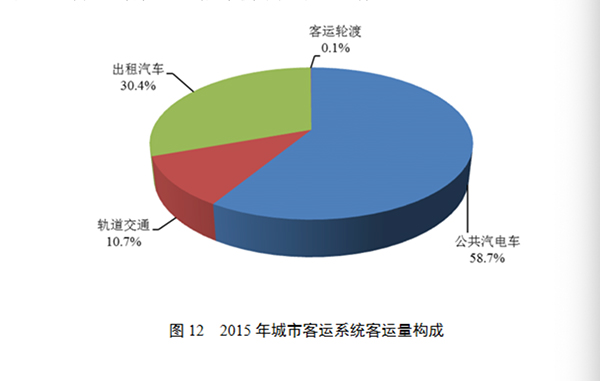
On June 12, 2025, the Ministry of Transport released its "2024 Statistical Bulletin on the Development of the Transportation Industry," stating that the national public bus and trolleybus passenger volume in 2024 was 38.67 billion person-trips, a year-on-year increase of 1.6%. However, compared with 76.54 billion person-trips in 2015, it has dropped by about half over the past decade. Looking at the composition of urban passenger volume, the share of public bus and trolleybus passenger volume fell from 58.7% in 2015 to 36.2% in 2024.
In public discourse, the decline in bus passenger volume is attributed to multiple factors, such as the development of urban rail transit, the proliferation of private cars and ride-hailing services, and the spread of electric bicycles.
The decline of buses is even more pronounced in some large cities. Recently, attention-grabbing data came from the "2025 Guangzhou Transport Development Annual Report" released at the end of May this year. The report shows that Guangzhou's conventional bus ridership dropped sharply from 6.11 million person-trips per day in 2019 to 2.49 million person-trips per day in 2025 — a decline of 59%. Meanwhile, during the "14th Five-Year Plan" period, the number of private cars in Guangzhou increased by 66.6%, the share of e-bike trips rose to 17.9%, and ride-hailing services grew by 73%. Citizens increasingly favor flexible, autonomous, and instant-response modes of travel.
Once the backbone of urban public transportation, buses now often appear "empty and desolate," seemingly becoming bystanders of the era.
Professor Lu Huapu, director of the Institute of Transportation at Tsinghua University, noted that urban public transportation plays a role in ensuring basic mobility, easing congestion, conserving energy and reducing emissions, and promoting social equity. However, in recent years, due to declining ridership and shrinking subsidies, multiple cities have reported incidents of bus companies failing to pay wages, suspending operations, and canceling routes.
Recently, we interviewed bus drivers, passengers, and transit enthusiasts in Lipu (Guangxi), Zhengzhou (Henan), and Hangzhou (Zhejiang) to capture perspectives on the ongoing "bus revolution." One consensus emerged: buses will not disappear, but they must change.
The Plight of County-Level Bus Services
On Sunday, April 26, 2026, the temperature in Lipu City — a county-level city under Guilin, Guangxi — ranged between 21 and 29°C. Summer had not yet begun, but the weather was already muggy.
At 6 a.m., bus driver Li Yongguang finished his breakfast, climbed into the driver's seat, and started the direct bus from downtown Lipu to Dongchang Town. The one-way trip was over ten kilometers, the fare was 4 yuan, and a bus departed approximately every 20 minutes.
——以下为原文中文内容——
车子途经高楼林立的城区时,不时有人上上下下。很快,车子颠簸着驶出城区时,只剩下几位老人,车内变得安静起来,只剩下播报停站点的信息。车外是一片片知了声声的绿色树木。
李永光说,荔浦市没有地铁,但这些年,当地人买了汽车、电动自行车,很多人不再乘坐公交车了,主要的乘客是老人和学生。
这条公交线路,将近50岁的李永光曾来回开了无数遍,他以为可以一直跑下去,直到那份停运公告出现。
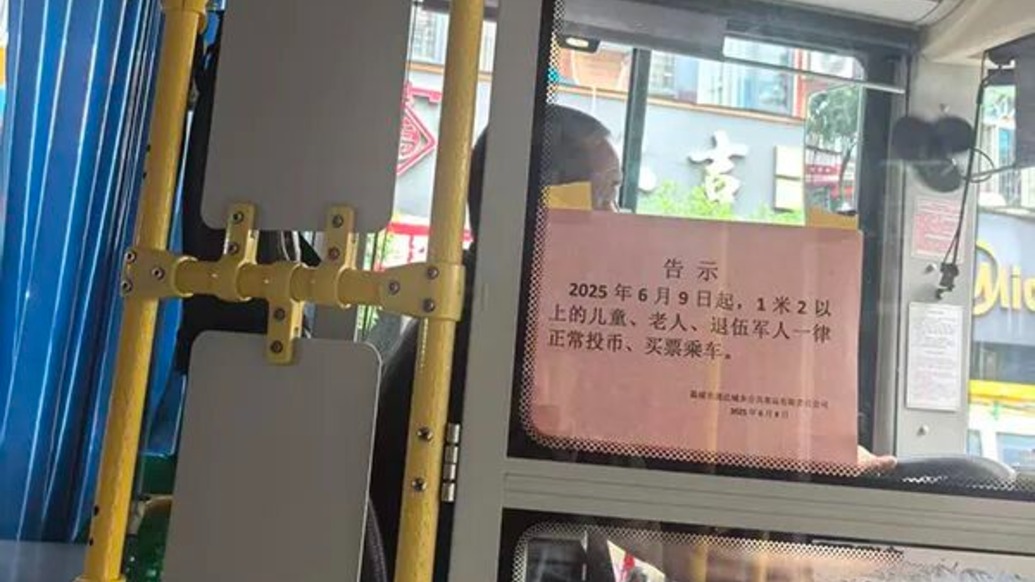
2025年9月27日,广西荔浦市三家城乡公共客运公司发布告示称,受客流下滑、运营成本上涨、财政补贴不能及时足额到位等影响,他们无力支付车辆保险购置费用,决定从2025年9月29日起暂停所有公交线路运营。
舆论很快发酵,荔浦市交通运输局办公室工作人员接受媒体采访时称,在积极沟通协调;荔浦市财政局工作人员称,关于民生的问题,政府非常重视,一定会全力解决。发布停运告示的第二天,2025年9月28日下午,三家公司再次发布公告称,在未按规定向主管部门报告的情况下,自行发布了暂停运营的告示,深表歉意,荔浦城乡公交所有线路保持正常运营,不会停运。
虽然停运并未发生,但凸显的问题依然存在,李永光开始忧心起自己的未来。
降本增效下的转岗
与县域公交不同,河南省会城市郑州的公交发展拐点出现在地铁开通之后。2013年12月28日,郑州地铁1号线一期开通,郑州正式进入了"地铁时代"。
30多岁的杨榛记得,2013年,他拿到公交车驾照,入职公交车公司,那时正是郑州公交车公司收益最好的时候。

随着电动自行车的普及、网约车行业的迅猛发展,坐公交车的人大幅度减少,公交公司开始减少司机排班。
为了降本增效,郑州公交做过多种尝试。2023年底,网上曝出,为进一步缓解经营和资金压力,郑州公交集团就"鼓励职工个人自主创业实施办法"征求意见。2025年底,杨榛以"共享员工"的身份进入中国邮政郑州分公司,主要负责抖音和拼多多退货的收件。
从18米公交车到8米"社区巴士"
一些城市的公交线路已在发生变化。公交爱好者李杨在杭州长大,他记忆里2015年到2020年是杭州公交最拥挤的时候,那时的公交车都是两节车厢,有18米长。
这几年,杭州公交开通地铁接驳支线,推出"5分钟巴士",承诺"步行到站5分钟、高峰间隔5分钟、平均乘车5分钟"。杭州还在钱塘江两岸21个地铁站新增优化"5分钟巴士"40条,高峰客流增长48.08%。
公交运营困境求解
据了解,国内很多地方公交车的票款收入只有运营成本的20%左右。在多元化经营方面,多地早已开始探索。例如,南京、成都、兰州等多地公交企业与物流企业开展合作。

2025年5月10日,广东省交通运输厅印发《城市公共交通基本出行服务保障规范》,通过优化公交线网资源、开行定制化公交、对外开放充电桩和社会停车、客货邮一体化发展等多种方式,增加收入来源,增强自身造血功能。
不可或缺的公共服务
公交车伴随着我国经济社会的发展,被称为城市的"血管",连接城乡的纽带。作为一项公共服务,公交车不可或缺,但需要适应新的社会需求。
今年6月,上海定制公交平台上线一周年。一年来,上海全市定制公交线路从220条增长至357条,平台累计服务客流超783万人次。

浙江宁海、辽宁盘锦等地近年来均在探索"客货邮融合"运营模式,一边进行客运,一边兼送快递,维持村镇线路,提升运营效率。
(除陆化普外,文中其他人物均为化名)
Originally from: 澎湃新闻 The Paper